Crested Butte Retreats: 2026 Guide to Seasons, Safety & Law
TLDR
Crested Butte retreats are intentionally designed small-group getaways at 8,885 feet in Colorado’s high alpine, built around yoga, movement, corporate offsites, and (increasingly) legal psychedelic wellness under the state’s new Natural Medicine rules. Timing matters: mid-July brings world-class wildflowers, late September delivers golden aspen corridors, and winter offers ski-centered introspection. Arrive early to acclimatize, fly into Gunnison (GUC) for the shortest transfer, and verify any psychedelic provider’s state license before booking.
What “Crested Butte Retreats” Actually Means
The phrase gets thrown around loosely, so here’s what it means in practice. Crested Butte retreats are small, structured group or private getaways based in or near Crested Butte, Colorado, a former coal mining town sitting at roughly 8,885 feet in the Elk Mountains. They combine the area’s dramatic high-alpine setting with guided practices: yoga, breathwork, somatic work, hiking, creative workshops, leadership development, and, under Colorado’s 2024 Natural Medicine Health Act, legal psilocybin sessions delivered through state-licensed healing centers.
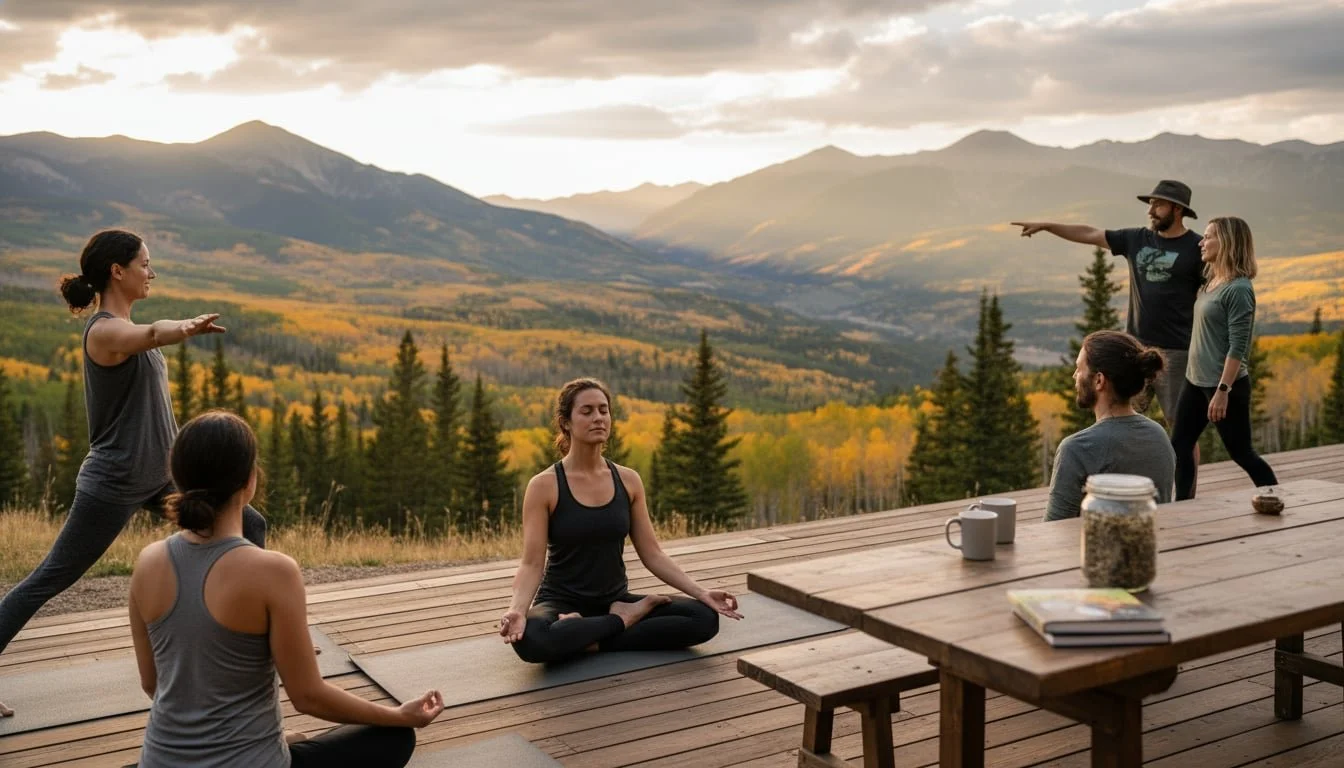
What separates these from a regular vacation is intentionality. Expect intimate group sizes (often 4 to 12 people), structured preparation before you arrive, daily programming with clear purpose, and some form of post-retreat integration designed to carry insights into everyday life. The setting does heavy lifting too. Depending on the season, you’re surrounded by wildflower meadows that rival anywhere on the planet, aspen groves that turn entire mountainsides gold, or quiet winter terrain that strips away distraction.
Practitioners on LinkedIn who specialize in corporate retreat design consistently note that experiences without integration have poor retention. The same principle applies to wellness retreats: preparation and follow-up are what separate a transformative weekend from a nice vacation that fades by Tuesday. For a deeper look at how structured preparation and integration work in practice, journal prompts and reflection frameworks can make a real difference.
Quick Facts: Crested Butte at a Glance
- Town elevation: ~8,885 ft; surrounding passes exceed 10,000 ft
- Closest airport: Gunnison-Crested Butte Regional (GUC), about 28-30 miles from town
- Transfer time from GUC: 40-45 minutes by car or RTA bus
- Drive from Denver: Approximately 4.5 hours via US-285 to US-50 to CO-135, weather permitting
- Wildflower peak: Early to mid-July; the 2026 Crested Butte Wildflower Festival runs July 10-19
- July weather: Average highs near 67-68°F, lows around 41°F, with common afternoon storms
- Fall color peak: Late September into early October, especially on Kebler Pass
- Winter note: Kebler Pass (CR-12) is closed to regular vehicles in winter; access via US-50/CO-135 only
Types of Crested Butte Retreats
Not all retreats here look the same. The town and surrounding valley support several distinct formats, each drawing on the landscape differently.
Nature, Movement, and Wellness
Yoga retreats, mindfulness weekends, sound baths, hiking and photography intensives, Nordic ski clinics, and somatic healing programs. Local studios like CB Power Yoga host seasonal programs, and visiting facilitators frequently run pop-up offerings during peak seasons. The altitude and thin air make breathwork especially powerful (and occasionally challenging for newcomers).
Corporate and Team Offsites
Slopeside hotels and in-town lodges offer multi-day team programs that pair meeting space with guided outdoor experiences. The combination of physical distance from offices and the focus-sharpening effect of altitude makes Crested Butte a natural fit for teams that want more than a conference room with a view.
Boutique Lodge Takeovers
Small properties position themselves for intimate group stays, complete with chef dinners and town-walkable itineraries. These work well for friend groups, birthday milestones, or private retreats where the host wants full control of the environment.
Psychedelic Wellness Formats (Legal in Colorado)
This is the category generating the most questions. Colorado’s Natural Medicine Health Act created a regulated system for psilocybin services delivered through state-licensed healing centers with licensed facilitators. Separately, physician-supported ketamine programs operate under existing medical frameworks. Both are legitimate, legal pathways, but they work differently and serve different needs.
The distinction matters: psilocybin services require a licensed center and facilitator. Ketamine is a physician-prescribed medicine administered under clinical oversight. Neither is a casual, public experience. If you’re exploring this path, understanding what makes a psilocybin retreat safe and legal is essential before committing to any provider.
When to Go: A Season-by-Season Guide for Crested Butte Retreats
Choosing the right season is one of the most important retreat decisions. Each window creates a fundamentally different container.
Winter (December through March)
Best for: Introspection, ski-focused retreats, resilience building, and anyone who thrives in quiet.
The town shrinks in winter. Trails empty, the pace slows, and the landscape feels private. Ski-centric Crested Butte retreats pair well with evening yoga, sauna sessions, and reflective work. The trade-off is access: weather can disrupt travel plans, and Kebler Pass closes entirely to regular vehicles. Practitioners on Reddit caution against trusting summer shortcuts on Google Maps during winter months, noting that Kebler and Cottonwood Pass become impassable.
Build in schedule flexibility if you’re planning a winter retreat. Flight cancellations into GUC happen.
Wildflower Season (Late June through Late July)
Best for: Renewal, creative inspiration, photography, and anyone seeking a visual peak experience.
This is Crested Butte’s signature season and the one that earns the town its “Wildflower Capital of Colorado” reputation. Blooms typically peak in early to mid-July, with the Wildflower Festival running July 10-19 in 2026. Multiple Reddit threads from Colorado locals emphasize that mid-July is extraordinary but crowded, and that booking early is non-negotiable. Year-to-year variability is real; snow depth and spring temperatures shift the bloom window.
Plan retreats during this window for maximum visual impact, but expect higher lodging prices and limited availability.
Late Summer (August)
Best for: Quieter schedules, easier bookings, and people who want altitude without crowds.
The valley is still green and lush at 8,885 feet even as blooms diminish. Community members on Reddit note seasonal variability, with some years holding color deep into August at higher elevations. This is a shoulder season in the best sense: trails are accessible, temperatures are comfortable, and retreat organizers can secure better rates.
Fall (Late September through Early October)
Best for: Reflection, transition work, photography retreats, and anyone drawn to the symbolism of letting go.
The Kebler Pass corridor is one of the premier fall color drives in all of Colorado, with massive aspen groves turning gold across entire hillsides. Gothic Road and Ohio Creek add depth. The window is narrow, typically late September into early October, and it varies by year. Fall Crested Butte retreats centered on hiking, journaling, or transition-focused inner work are perfectly matched to this landscape.
How to Choose a Crested Butte Retreat: 7 Things to Screen For
The retreat market is growing fast, and quality varies. Here’s a practical checklist.
1. Group size and facilitator ratio. Smaller is almost always better for transformative work. Look for groups of 4-12 with adequate facilitator presence. Large groups dilute attention.
2. Structure: preparation, daily rhythm, integration. Does the retreat include pre-arrival preparation calls? Is there a clear daily schedule? Is there post-retreat support? Programs that skip these steps tend to produce fleeting results. Understanding how the nervous system responds to structured support helps explain why this matters so much.
3. Seasonal alignment. Match the season to your intention. Winter for stripping back. Summer for expansion. Fall for release. This isn’t just aesthetics; the physical environment shapes the internal experience.
4. Legal compliance. If the retreat involves psilocybin, the provider must operate through a Colorado-licensed healing center with licensed facilitators. If it involves ketamine, a physician must be involved in prescribing and oversight. Ask for license numbers. Verify them.
5. Safety protocols. Medical screenings, contraindication reviews, emergency plans, and clear consent processes should all be standard. If a provider can’t articulate these clearly, move on.
6. Accessibility and logistics. Can you get there without a car? Is altitude acclimatization built into the schedule? Are dietary needs accommodated? These practical details determine whether the retreat actually works for your body.
7. Testimonials with specifics. Vague praise is meaningless. Look for testimonials that describe concrete changes: sleep patterns, relationship dynamics, career decisions, emotional regulation improvements.
Legal Clarity: Psychedelic Services in Colorado (2026)
This section exists because confusion is rampant and the stakes are real.
Colorado’s Natural Medicine Health Act (Proposition 122, passed in 2022) created a regulated system for certain psychedelic substances. Here’s what’s actually true in 2026:
-
What’s legal: Psilocybin and psilocin services delivered through state-licensed healing centers by state-licensed facilitators. The Department of Regulatory Agencies (DORA) licenses facilitators; the Department of Revenue’s Natural Medicine Division licenses businesses.
-
What’s not legal: Public consumption of psilocybin. Driving under the influence of any natural medicine (this is explicitly illegal under Colorado law). Unlicensed providers offering “mushroom retreats” without proper state authorization.
-
Scope through June 1, 2026: Only psilocybin and psilocin are included in the program’s definition of “natural medicine.” Regulators are reviewing potential future additions.
-
Ketamine: This is a separate pathway entirely. Ketamine is a physician-prescribed medicine with its own medical oversight requirements. It doesn’t fall under the Natural Medicine Act.
-
Real-world status: Colorado has begun approving healing centers, including standard and “micro-licensed” facilities. Early 2026 reporting cites active approvals, primarily across the Front Range.
The bottom line: verify any provider’s license status before booking. If someone claims to offer legal psilocybin services but can’t show a healing center license, that’s a red flag.
Your Altitude-Smart Arrival Plan
At 8,885 feet, Crested Butte sits well above the threshold where acute mountain sickness becomes a real risk. Ignoring altitude is the fastest way to ruin a retreat. Practitioners in ultrarunning and outdoor communities on Reddit are blunt about this: “Altitude is the real challenge. Arrive 2-3 days early if you can.”
Here’s a practical first-48-hours protocol:
Day of arrival:
- Keep physical activity light. A slow walk through town is fine. A hike above 10,000 feet is not.
- Drink at least 2 liters of water. Add electrolytes.
- Eat a moderate dinner. Altitude suppresses appetite, but your body needs fuel.
- No alcohol. Seriously. Even one drink hits differently at altitude and worsens dehydration.
- Aim for 9+ hours of sleep. You’ll likely wake up more than usual; this is normal.
Day two:
- Gentle movement: yoga, an easy trail at town elevation, stretching.
- Continue aggressive hydration.
- Monitor for symptoms: headache, nausea, dizziness, unusual fatigue.
- If symptoms worsen rather than improve, the answer is always to descend.
Medical note: If you’ve had altitude sickness before or need to ascend quickly without buffer days, discuss acetazolamide (Diamox) with your clinician before the trip. The CDC recommends this as a preventive option for travelers at risk.
The best Crested Butte retreats build acclimatization time into their schedules, with lighter programming on arrival day and gradual intensity increases. If a retreat throws you into a strenuous hike or high-altitude excursion within hours of landing, that’s poor design.
Getting There: A Logistics Cheat Sheet
-
Fly to GUC (Gunnison-Crested Butte Regional Airport). This is the closest airport, about 28-30 miles from town. The RTA bus runs between Gunnison and Crested Butte on published schedules, or you can rent a car for more flexibility. Visitor threads on Reddit note that some shuttles are pricey and that renting a car from GUC often makes more sense, especially if you want to explore Kebler Pass or outlying trailheads.
-
Drive from Denver (DEN). Plan roughly 4.5 hours via US-285 in normal conditions. The route through Buena Vista and over Monarch Pass is scenic but requires attention, especially in winter.
-
Winter routing warning. Kebler Pass and Cottonwood Pass close in winter. Do not rely on GPS shortcuts that route over seasonal passes. Stick to US-50 and CO-135 from November through late spring.
-
RTA bus service. The Gunnison Valley RTA runs reliably during peak seasons and provides a budget-friendly option from Gunnison.
-
GUC vs. DEN decision. GUC saves hours of driving but has fewer flights and higher fares. DEN has abundant flight options but requires a half-day drive. For short retreats (3-4 days), GUC is almost always worth the fare premium.
What Locals and Visitors Actually Say
Community insights fill gaps that polished tourism pages miss.
-
On altitude: Runners training for the Crested Butte 50-miler emphasize that altitude affects performance and recovery far more than people expect. Even fit, experienced athletes report needing extra acclimatization days. If it hits endurance athletes hard, it will hit retreat-goers who flew in from sea level.
-
On wildflower timing: Multiple Colorado subreddit threads confirm that mid-July is prime, but several locals note year-to-year variability. One recurring theme: “Book early around mid-July and expect variability.” Flexibility with exact bloom expectations is wise.
-
On winter access: Travelers on skiing forums share cautionary stories about GPS routing them over closed passes. The consistent advice: check road conditions before you leave, and don’t assume Google Maps knows which passes are open.
These patterns reinforce three practical rules for Crested Butte retreats: build in buffer time, book peak seasons early, and always verify road conditions.
How Well Dosed Approaches Crested Butte Retreats
Well Dosed Wellness runs women-first, small-group retreats in Crested Butte and select international destinations, with group sizes intentionally kept intimate (typically 4-12 participants). Every retreat follows a structured arc: preparation calls before arrival, guided ceremony and daily programming on-site, and post-retreat integration support designed to turn insight into lasting behavioral change.
The approach reflects a clear philosophy: a single peak experience means little without the scaffolding to carry it forward. Programs combine somatic practices, guided reflection, chef-prepared meals, and, where appropriate, legal psychedelic wellness modalities with medical safety built in.
For those drawn to a more consistent, monthly rhythm rather than a destination retreat, the Reset program offers physician-supported ketamine therapy on a structured cadence (often 3-12 months), including medical screening, clinical oversight, and ongoing integration support. You can read a detailed step-by-step breakdown of how the Reset program works to see whether the format fits.
If you’re newer to this space and want a gentler starting point, a beginner’s guide to microdosing for women offers context on building a safe, consistent daily practice.
Well Dosed’s 2026 calendar includes Crested Butte dates alongside international programming in Portugal (April 20-24) and Oahu (October 15-18). Explore upcoming retreat dates and details here.
Frequently Asked Questions
Are “mushroom retreats” legal in Crested Butte?
Psilocybin services are legal in Colorado only when delivered through state-licensed healing centers with licensed facilitators. Public consumption remains illegal, and driving under the influence is a criminal offense. Always verify a provider’s license before booking.
When is the best time for wildflowers in Crested Butte?
Peak blooms typically occur in early to mid-July. The 2026 Crested Butte Wildflower Festival runs July 10-19. Exact timing varies by year depending on snowpack and spring temperatures, so build in a few days of flexibility.
How long does it take to get from GUC airport to Crested Butte?
About 40-45 minutes by car or RTA bus. The Gunnison-Crested Butte Regional Airport is roughly 28-30 miles from town.
What should I pack for a retreat at 8,885 feet?
Layers (temperatures swing 25+ degrees between morning and afternoon), high-SPF sunscreen (UV is significantly stronger at altitude), a refillable water bottle, electrolyte packets, a warm hat for evenings, and rain gear for afternoon storms. Skip the alcohol for at least your first 24-48 hours.
How serious is the altitude in Crested Butte?
Serious enough to plan around. At nearly 9,000 feet, acute mountain sickness risk is real. Symptoms include headache, nausea, fatigue, and dizziness. Arrive early, hydrate aggressively, go easy on day one, and talk to your doctor about acetazolamide if you have a history of altitude issues.
What’s the difference between psilocybin retreats and ketamine programs in Colorado?
Psilocybin services operate under Colorado’s Natural Medicine Health Act through licensed healing centers. Ketamine is a physician-prescribed medicine with its own medical oversight framework. Both are legal, but they involve different providers, different regulatory structures, and different experiences. Understanding how psilocybin affects the brain can help clarify which path aligns with your goals.
Is Kebler Pass open year-round?
No. Kebler Pass (County Road 12) closes to regular vehicles in winter, typically from late fall through late spring. It’s spectacular for fall color drives in late September and early October, but don’t plan on using it as a route to Crested Butte between roughly November and May.
How far in advance should I book a Crested Butte retreat?
For wildflower season (July), book at least 3-4 months ahead. Fall color weekends fill fast too. Winter and late summer offer more flexibility, but popular providers with small group sizes sell out regardless of season. If a specific retreat speaks to you, don’t wait.