Why the Mind‑Body Connection Matters
Mind‑body interventions are practices that honor the dialogue between thoughts, feelings, and physical sensations—think yoga, meditation, breathwork, dance, or gentle movement. Modern neuroscience shows that this dialogue reshapes brain networks for emotional regulation, attention, and self‑awareness, while also soothing the autonomic nervous system and balancing stress hormones.
Because they require little equipment and can be adapted to any space, these practices are low‑cost and low‑risk, making them accessible to a wide range of people. Their roots run deep—ancient traditions from Ayurveda, Tai Chi, and Indigenous ceremonial arts have long recognized that nurturing the mind‑body connection supports holistic well‑being. By returning to this timeless wisdom, we create the conditions for gentle, sustainable growth and a resilient nervous system.
Mind‑Body Basics and Definitions

A gentle reset for your nervous system
Mind‑body practices are intentional interventions that nurture the dialogue between brain, mind, and body to elevate everyday well‑being. They span three families: psychological techniques such as meditation and expressive arts that cultivate inner awareness; physical methods like yoga, tai chi, qigong, breathwork, and acupuncture that move the body; and blended approaches—think yoga‑dance or movement‑meditation—that weave mind and motion together. When practiced regularly, these modalities gently shift autonomic balance toward parasympathetic calm, modulate neurochemicals such as serotonin and endocannabinoids, and support brain networks governing emotion regulation, attention, and self‑awareness. Safety is rooted in qualified guidance—trained instructors, licensed therapists, or certified integrative health practitioners—who respect individual limits and health histories. By honoring these principles, mind‑body practices create the conditions for nervous‑system coherence, emotional resilience, and sustainable personal growth.
Microdosing Psychedelics: Dosage, Effects, and Legal Landscape
A happier hour starts here
The practice of microdosing—taking a sub‑perceptual amount of a psychedelic such as psilocybin or LSD—has become a quiet conversation among women seeking gentle ways to support curiosity and emotional balance. While the science is still emerging, a growing body of thoughtful research and responsible community practices offers a framework for intentional, safe exploration.
Typical dosing schedules (the Fadiman protocol)
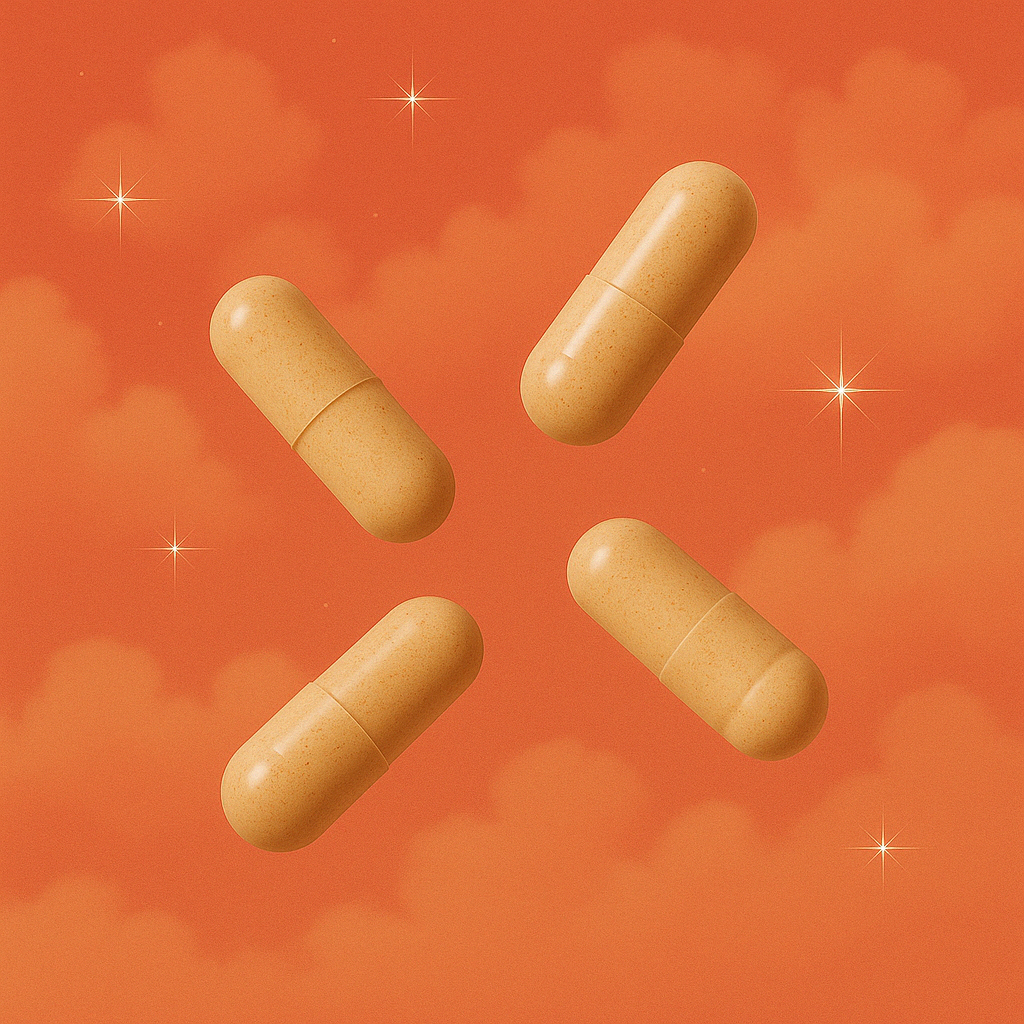
A classic approach begins with a modest dose on Day 1, a two‑day pause, and a repeat on Day 4. This rhythm allows the nervous system to reset, limiting tolerance buildup. For psilocybin, a common starting point is 0.1 – 0.2 g of dried mushrooms (≈0.1 – 0.3 g of powdered material), delivering roughly 5 – 10 µg of the active compound. Many practitioners prefer the precision of capsules: 50mg is a “low” microdose, 100 mg a “standard” dose, and some increase to 120 mg after several weeks of careful tracking. A simple chart helps keep the schedule clear:
| Day | Action |
|-----|--------|
| 1 | Take dose |
| 2‑3 | No dose (rest) |
| 4 | Take dose |
| 5‑7 | No dose (rest) |
| 8 | Repeat cycle |
Recording sensations, mood shifts, and any physical cues in a journal is essential for respectful self‑care.
Mood and anxiety outcomes
Small experimental studies suggest that regular microdosing can ease rumination, foster cognitive flexibility, and produce modest lifts in mood within a few weeks. Participants often describe a lightness of mind, clearer focus, and a reduction in everyday anxiety. These shifts are subtle, not a cure, but they can create space for deeper emotional work when paired with practices like meditation or breathwork.
Common side‑effects
Most microdosers notice only mild, transient effects: brief nausea, occasional headache, or a short‑lived increase in anxiety, particularly when the dose leans toward the higher end of the sub‑psychoactive range. Insomnia can appear if dosing is taken too late in the day. Serious adverse events are rare, but any persistent or uncomfortable symptom should prompt a pause and a conversation with a trusted health professional.
Personality changes
Longitudinal observations have recorded modest increases in conscientiousness and slight reductions in neuroticism after a month of consistent microdosing. These personality nudges likely reflect the practice’s influence on emotional regulation rather than dramatic transformations. The changes are subtle, supporting a steadier, more resilient inner landscape.
Bipolar considerations
The serotonergic action that may lift depressive mood can also trigger mania or hypomania in vulnerable individuals. Survey data indicate that roughly one‑third of people with self‑reported bipolar disorder experienced worsening symptoms after psychedelic use. Because safety data are limited, clinicians generally advise against unsupervised microdosing for bipolar conditions. If exploration feels necessary, it must occur under close medical supervision with clear monitoring plans.
Legal status in the United States
Federally, psilocybin is a Schedule I substance, making possession and use illegal nationwide. Oregon’s therapeutic program (Measure 109) permits supervised administration in clinical settings but does not legalize personal microdosing. Several cities—Denver, Oakland, Seattle, San Francisco, among others—have de‑criminalized personal possession, reducing local enforcement risk, yet the activity remains prohibited under state and federal law. Consequently, microdosing exists in a legal gray zone; awareness of local policies is essential before any practice.
Therapeutic integration models
Many women find the most value when microdosing is woven into a broader framework of intentional living. Structured guidance—such as weekly check‑ins with a therapist trained in psychedelic integration, supportive community circles, and daily rituals like mindfulness meditation—creates the conditions for growth while honoring safety. The EVOLVE framework, for example, emphasizes return to coherence, nervous‑system regulation, and purposeful reflection, turning each microdose into a mindful cue rather than an isolated shortcut.
Putting it together
Microdosing can be a gentle tool for expanding awareness, enhancing emotional resilience, and fostering creative clarity when approached with humility, structure, and support. Start with the smallest dose, honor the body’s signals, and embed the practice within a ritual that includes breath, movement, and community connection. This intentional design helps you return to coherence and nurture the nervous system, laying a foundation for sustainable, compassionate evolution.
Ready to explore this work in a more intentional way?
Join the Well Dosed Portal, our private membership space where you'll find education, rituals, and supportive tools to help you build clarity, resilience, and meaningful change.
Join the Well Dosed Portal here:
https://portal.welldosedwellness.com
Women‑Focused Psychedelic Wellness: Costs, Access, and Couples Work

A small ritual that changes everything
When you step into a women‑focused psychedelic retreat, you are invited to a gentle, intentional space designed for emotional resilience and nervous‑system coherence. A week‑long program in Portugal blends boutique accommodation, guided psilocybin sessions, and daily integration circles, typically ranging from $1,500 to $5,000. In the United States, private facilitation begins at $900 for a six‑hour guided experience, with a two‑session package at $1,650. Microdosing services are offered at $125 per dose, while group sessions reduce the per‑person cost to $475; private group work with a partner averages $750 per participant. Full‑day workshops and integration classes sit comfortably in the $150–$300 range, ensuring multiple entry points for women seeking sustainable growth.
Well‑Dosed partners with seasoned U.S. facilitators across California, Colorado, and New York, and offers virtual integration coaching nationwide. For local guidance, Barbara Chandler in Reno, NV and Sage Integrative Health in the Bay Area provide ketamine‑assisted and psychedelic‑integrated therapy for women and couples.
Couples therapy within this framework blends preparation, a supervised psychedelic journey, and structured integration, fostering shared vulnerability, deeper empathy, and renewed relational purpose. The experience is anchored in safety, intention, and lasting support.
Luxury retreats elevate this work with five‑star villas, farm‑to‑table cuisine, and curated wellness amenities in serene settings—from Portugal’s ocean cliffs to Joshua Tree’s desert sanctuaries. Each itinerary includes personalized dosing, somatic coaching, and post‑retreat digital integration to translate insights into daily life.
Ready to explore this work in a more intentional way?
Join the Well Dosed Portal, our private membership space where you'll find education, rituals, and supportive tools to help you build clarity, resilience, and meaningful change.
Join the Well Dosed Portal here:
https://portal.welldosedwellness.com
Mind‑Body Techniques for Pain Relief

Pain relief begins in the nervous system
When the body speaks of discomfort, gentle mind‑body practices can shift the narrative from suffering to ease. Yoga, tai chi, and qigong weave slow, purposeful movement with breath awareness, inviting the parasympathetic nervous system to dominate and releasing muscular tightness. This rhythmic flow not only improves circulation but also nurtures a sense of grounded presence that quiets the brain’s alarm system.
Guided meditation and mindful breathing deepen that shift. By anchoring attention to the breath or a calming visual, they lower cortisol, soften the fight‑or‑flight response, and create a mental space where pain no longer feels overwhelming. Progressive muscle relaxation, often paired with cognitive‑behavioral techniques, teaches the nervous system to recognize and dissolve tension, while CBT reframes pain thoughts, reducing the emotional amplification of physical sensations.
Research with chronic‑pain and cancer cohorts shows that regular engagement in these practices can reduce perceived pain intensity, improve sleep, and enhance overall quality of life—without relying on medication. Integrated into daily rituals—perhaps alongside low‑dose psychedelic exploration—these tools support sustainable, drug‑free relief and invite a return to coherence.
Ready to explore this work in a more intentional way?
Join the Well Dosed Portal, our private membership space where you'll find education, rituals, and supportive tools to help you build clarity, resilience, and meaningful change.
Join the Well Dosed Portal here:
https://portal.welldosedwellness.com
A Holistic Blueprint for Mental‑Health Recovery

A holistic approach to mental‑health recovery treats the whole person by weaving together evidence‑based psychotherapy, balanced nutrition, regular movement, sleep hygiene, and mindfulness practices. For women navigating change, low‑dose psychedelic rituals and capsule apothecary offerings can amplify emotional insight and neuroplasticity while fostering a gentler, more intentional healing journey. Immersive retreats in Portugal’s serene landscapes or private couples’ sessions—provide safe spaces for embodied practice, community connection, and spiritual grounding. Ongoing integration support through a digital app reinforces daily rituals, tracks progress, and nurtures the Inner Circle community, ensuring that insights translate into lasting lifestyle change. By aligning body, mind, and spirit, this comprehensive model reduces relapse risk and cultivates sustainable, resilient wellbeing.
The seven holistic approaches are: 1) mindful eating which nurtures the body‑mind connection through conscious food choices; 2) nature therapy restoring balance by immersing oneself in natural environments; 3) creative expression releasing emotions and fostering self‑discovery through art, writing, or music; 4) mind‑body practices such as yoga and tai chi integrating movement, breath, and meditation for mental and physical health; 5) [digital detox] reducing overstimulation by intentionally stepping away from screens; 6) cultivating gratitude and positivity, shifting focus toward the good in life and enhancing well‑being; and 7) establishing healthy boundaries, protecting emotional health by clearly defining personal limits in relationships and work.
Ready to explore this work in a more intentional way?
Join the Well Dosed Portal, our private membership space where you'll find education, rituals, and supportive tools to help you build clarity, resilience, and meaningful change.
Join the Well Dosed Portal here:
https://portal.welldosedwellness.com
Guided Microdosing Therapy and Future Directions


Guidance changes the outcome
Microdosing therapy offers a gentle, evidence‑inspired pathway that couples sub‑perceptual psychedelic doses with professional psychotherapy, coaching, and daily integration practices. The therapeutic protocol is structured around a few sessions per week, each preceded by a brief medical and mental‑health screening to confirm eligibility and rule out contraindications such as personal or family history of psychosis. Dosage guidelines are clear and low‑risk, mirroring standards used in research at institutions like Johns Hopkins. After each dosing session, participants engage in deliberately chosen integration tools—reflective journaling, breathwork, and mindful movement—to ground subtle shifts of cognition and emotion into everyday life. This rhythmic cycle supports nervous‑system regulation and cultivates emotional resilience. While early studies highlight promise, research gaps remain: larger randomized controlled trials, optimal dosing schedules, and reliable biomarkers for personalized care are still needed. Upcoming trials at leading universities aim to address these questions, paving the way for more robust guidance.
Ready to explore this work in a more intentional way?
Join the Well Dosed Portal, our private membership space where you'll find education, rituals, and supportive tools to help you build clarity, resilience, and meaningful change.
Join the Well Dosed Portal here:
https://portal.welldosedwellness.com
Putting Mind‑Body Practices Into Everyday Life
A gentle rhythm of daily rituals is the foundation of lasting nervous‑system balance. Start with just five minutes of breath‑focused meditation or a short movement flow, and let the habit expand naturally—consistency beats intensity. Connecting with a supportive community, such as the Well Dosed Inner Circle, provides accountability and shared wisdom; group check‑ins transform solitary practice into a collective rise in coherence. Digital tools—guided‑audio sessions, habit‑tracking apps, and gentle reminders—make it easy to weave practice into work, home, and travel. Looking ahead, emerging research and supportive policies are expanding access to evidence‑based mind‑body programs, especially for underserved women.
Ready to explore this work in a more intentional way? Join the Well Dosed Portal, our private membership space where you'll find education, rituals, and supportive tools to help you build clarity, resilience, and meaningful change.
Join the Well Dosed Portal here: